

Essential ingredients of Provençal cuisine
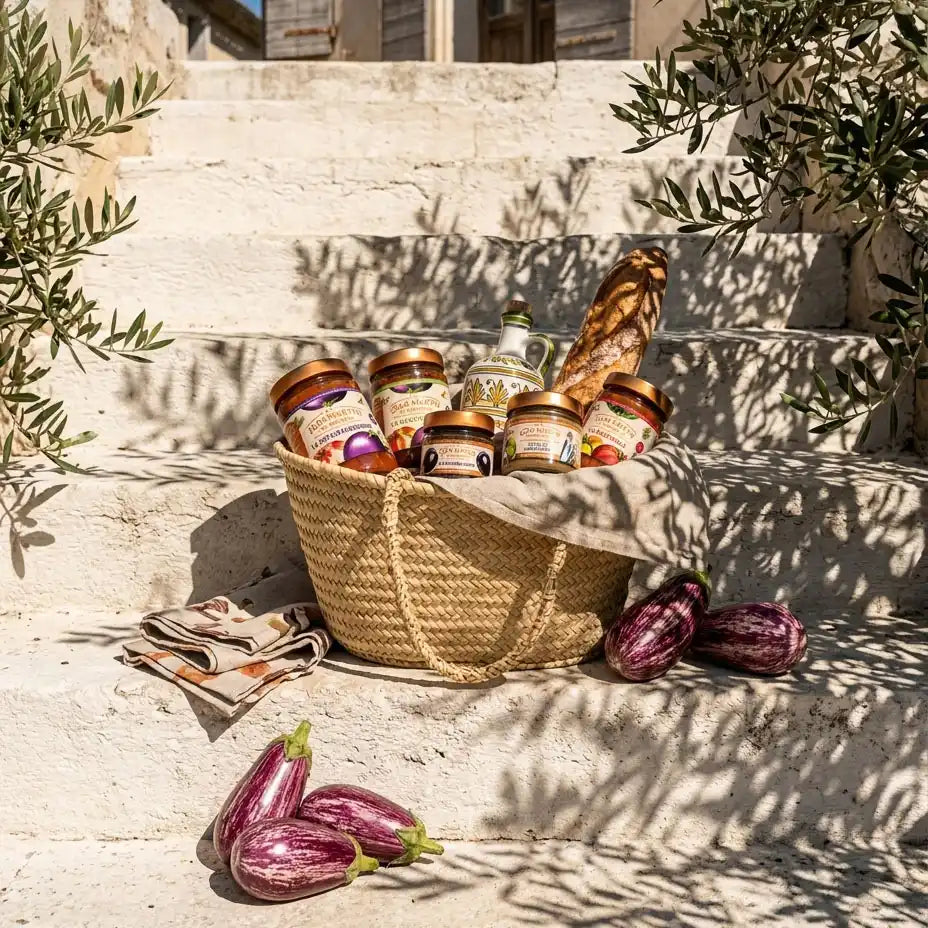
Olive, tomato, eggplant, olive oil, aromatic herbs... Certain ingredients are enough to immediately evoke the landscapes, markets, and scents of the South. At the heart of Provençal cuisine, these simple and generous products are found in many traditional recipes and contribute to the gastronomic identity of Provence.
But what truly makes the richness of Provençal flavors? Discover the essential ingredients that give the cuisine of the South its highly recognizable character.
The olive, a staple of Provençal cuisine
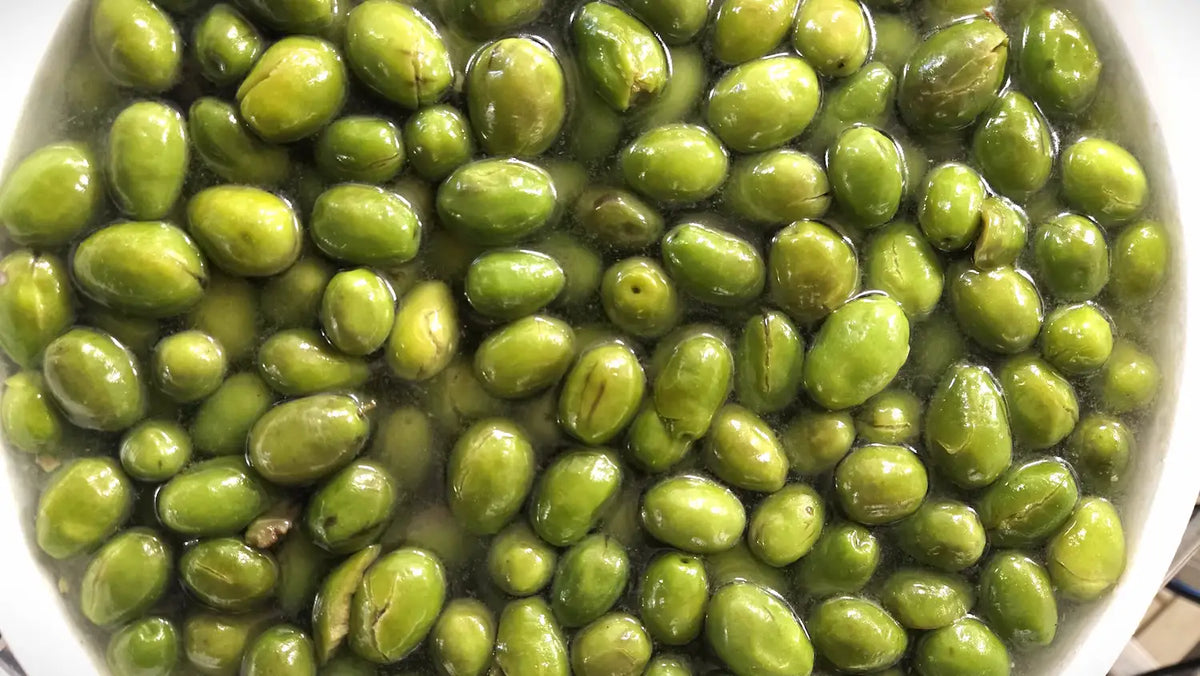
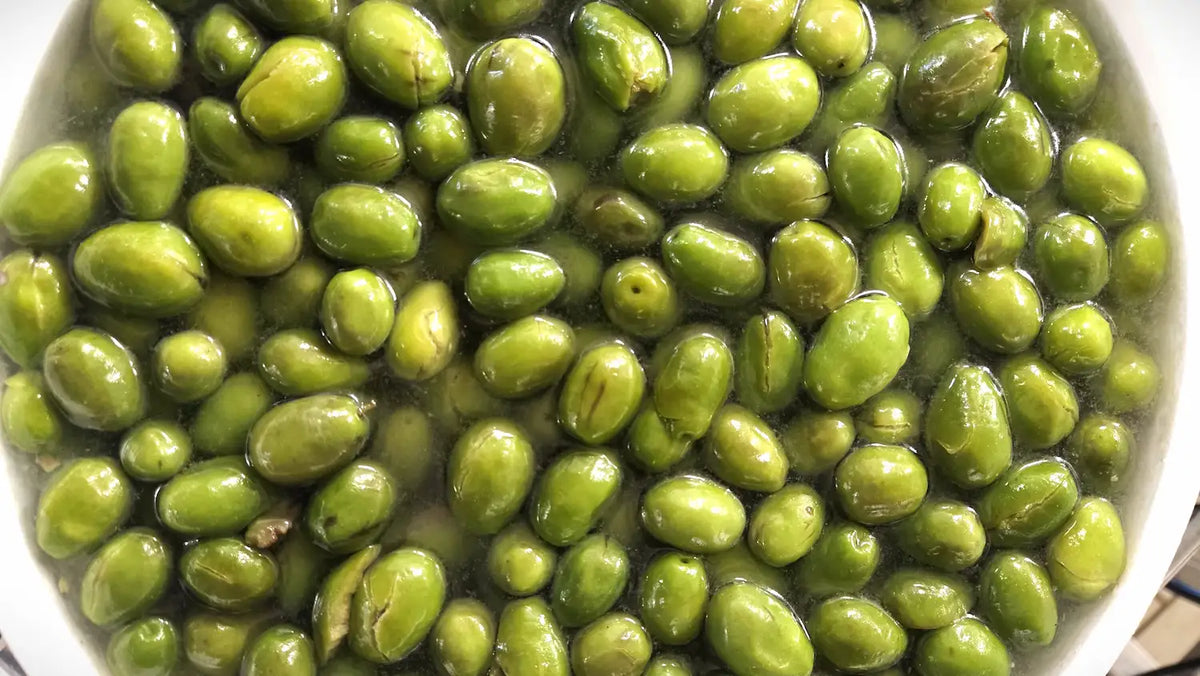
A symbol of the Mediterranean, the olive holds an essential place in Provençal gastronomy. Whether green or black, it is enjoyed simply as an appetizer, accompanies salads and daily dishes, or is used in the preparation of many Southern specialties.
Its taste may vary according to the variety and preparation, but it generally provides fruity, salty, and slightly bitter notes.
Among the iconic preparations, it is impossible not to mention tapenade. This Provençal specialty based on olives is traditionally enjoyed on toasted bread, as an appetizer, or as an accompaniment to vegetables. A simple way to rediscover all the richness of Mediterranean flavors.
The tomato, the taste of sun-drenched vegetables
With its red color and generous aroma, the tomato is inseparable from Southern cuisine. Fresh, cooked, or dried, it brings a real sunny touch to recipes.
It is found in sauces, salads, stewed dishes, or even spreads. Sun-dried tomatoes, for their part, concentrate their aromas and provide a particularly intense flavor.
A few pieces are enough to liven up a salad, accompany pasta, or bring a Mediterranean touch to a slice of bread. It also naturally finds its place in many Provençal recipes based on vegetables and olive oil.
The eggplant, an iconic vegetable of Provence
Among sun-drenched vegetables, the eggplant occupies a place of choice. Its melting texture once cooked and its ability to absorb flavors make it a particularly appreciated ingredient in Mediterranean cuisine.
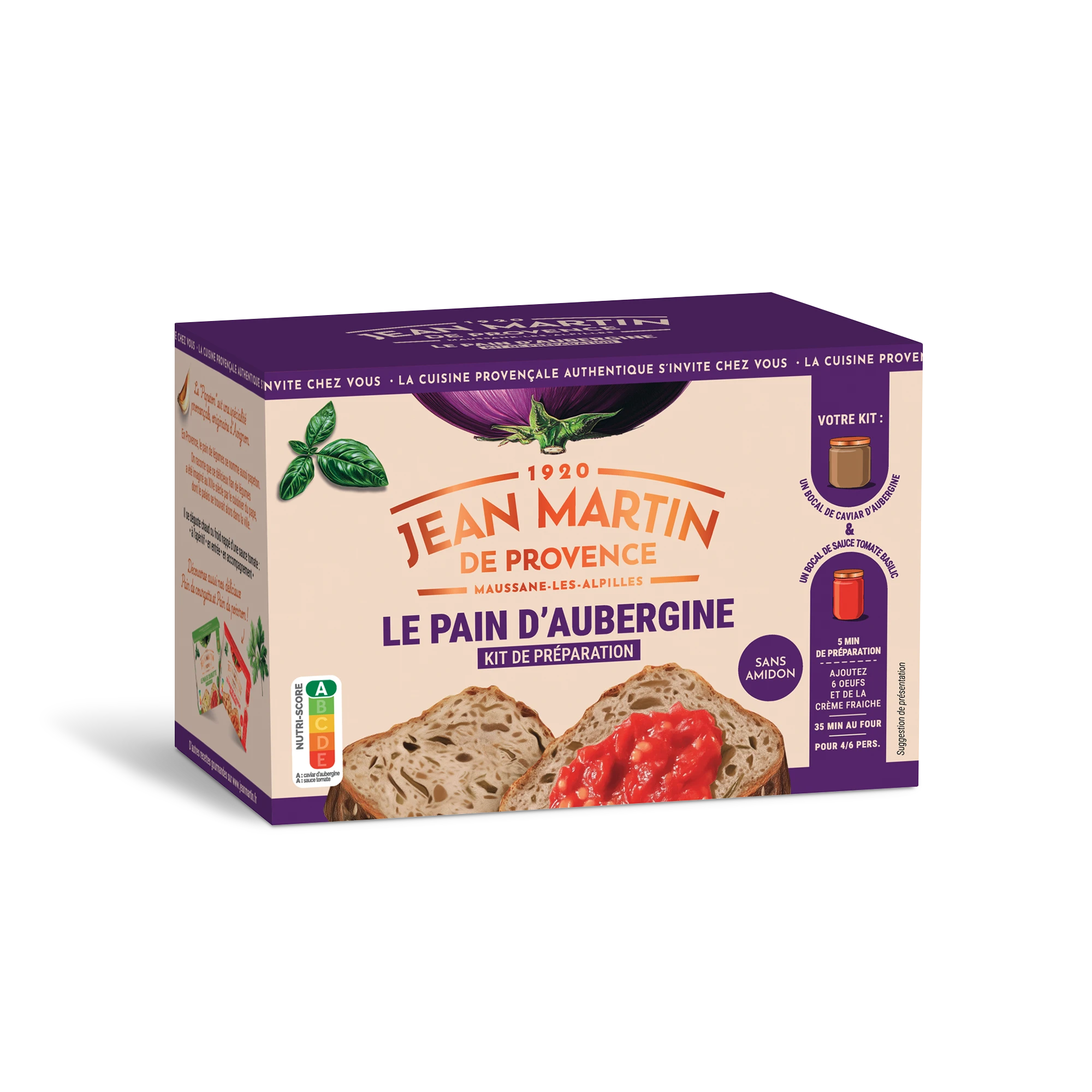
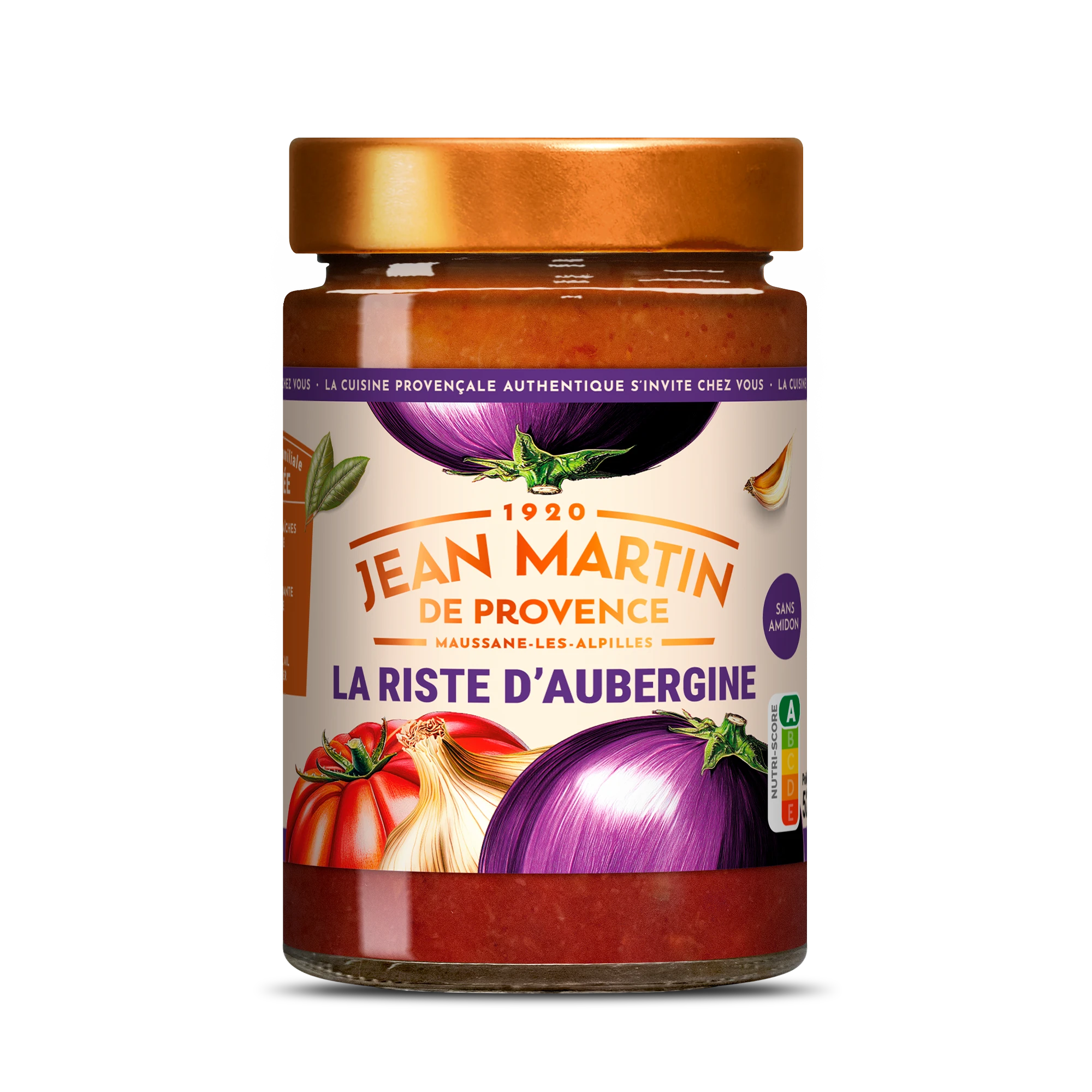
In Provence, it is found in many traditional recipes, such as eggplant riste, but also in caviar and various vegetable-based preparations.
Slow-cooked, it becomes tender and generous. Combined with tomato, olive oil, and aromatic herbs, it reveals its full Mediterranean character.
Olive oil, the ingredient that binds the flavors
It is hard to imagine Provençal cuisine without olive oil. It is used for both cooking and seasoning and helps to enhance the taste of vegetables and herbs.
A drizzle of olive oil on a tomato salad, grilled vegetables, or a slice of bread is sometimes enough to transform a very simple preparation.
More than just an ingredient, it constitutes a true common thread of Mediterranean cuisine, bringing roundness and character to recipes.
Aromatic herbs, the signature of the South
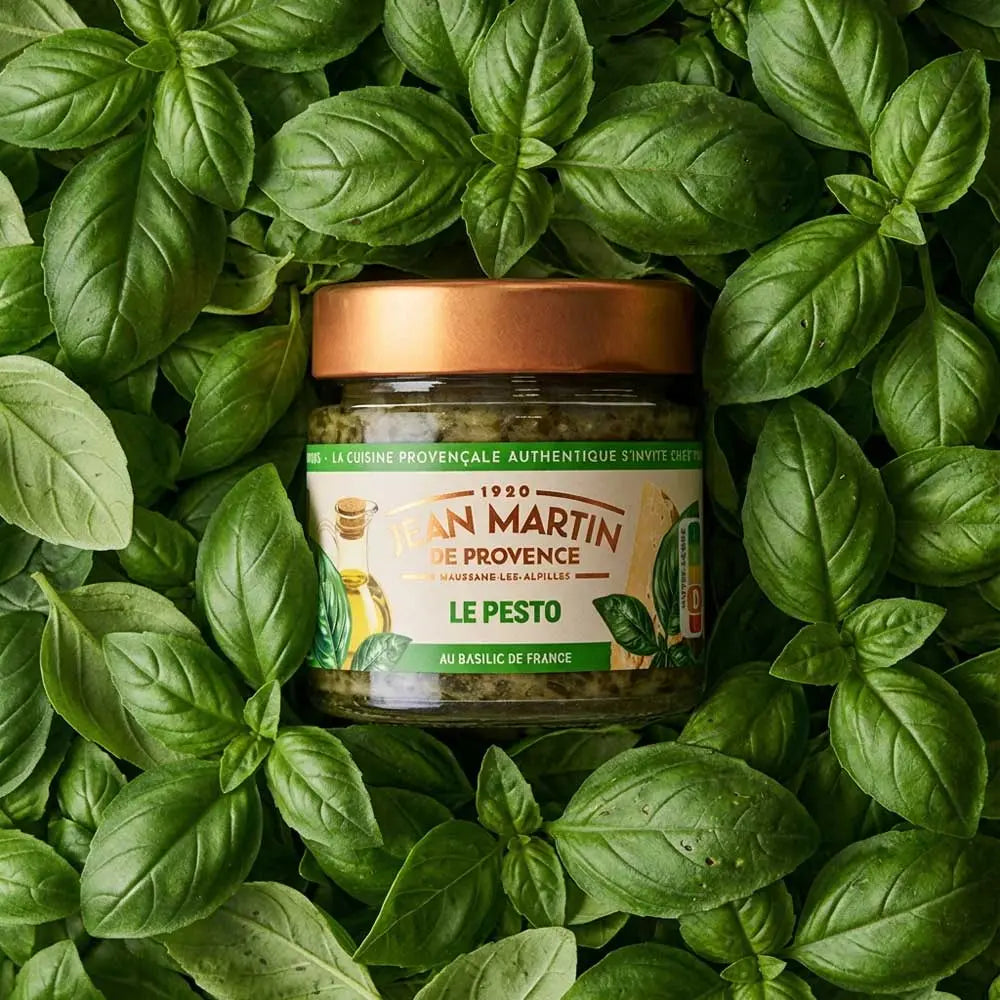
Thyme, rosemary, basil… Aromatic herbs complete the main ingredients of Provençal cuisine.
They perfume preparations and provide that aromatic signature immediately associated with the South of France. Basil naturally accompanies the tomato, while thyme and rosemary are particularly well-suited for vegetables, sauces, and stewed dishes.
Used correctly, herbs allow you to give a lot of character to a recipe without complicating it.
Simple ingredients at the heart of generous recipes
Olive, tomato, eggplant, olive oil, and aromatic herbs have one thing in common: they are simple, but rich in taste.
That is precisely one of the peculiarities of Provençal cuisine. Rather than multiplying ingredients, it relies on good products and combinations that allow each one to reveal its flavors.
Tomato and basil, eggplant and olive oil, olive and aromatic herbs… These combinations give birth to generous, colorful, and deeply Mediterranean recipes.
Jean Martin de Provence: rediscover the flavors of Provençal cuisine
At Jean Martin de Provence, these ingredients occupy an essential place in our recipes. They are at the heart of preparations inspired by the Provençal terroir and by that home-style cooking that favors the taste of vegetables and simplicity.
Tapenade, eggplant caviar, eggplant riste, ratatouille, tomato sauces… So many ways to easily rediscover the characteristic flavors of Provence on a daily basis.
Because Provence is not summed up by a single recipe. It is recognized by its colors, its scents, and its combinations of flavors.
And sometimes, all it takes is a slice of bread with tapenade, a dish of sun-drenched vegetables, or a recipe generously scented with herbs to rediscover, for the duration of a meal, a little taste of Provence.




Green olive spread 100g
with olives from Provence


Black Olive Tapenade 100g
with Grossane olives from Provence


Eggplant caviar 350g
to cook