



Crop rotation: a sustainable and virtuous agricultural practice
Crop rotation: a sustainable and virtuous agricultural practice
In agriculture, certain practices help preserve soils, protect crops, and promote sustainable production. Among them, crop rotation plays an essential role in the work of our market gardeners and producers.
This method consists of alternating crops on the same plot from one year to the next, in order to balance soil resources and limit risks to harvests.
What is crop rotation?
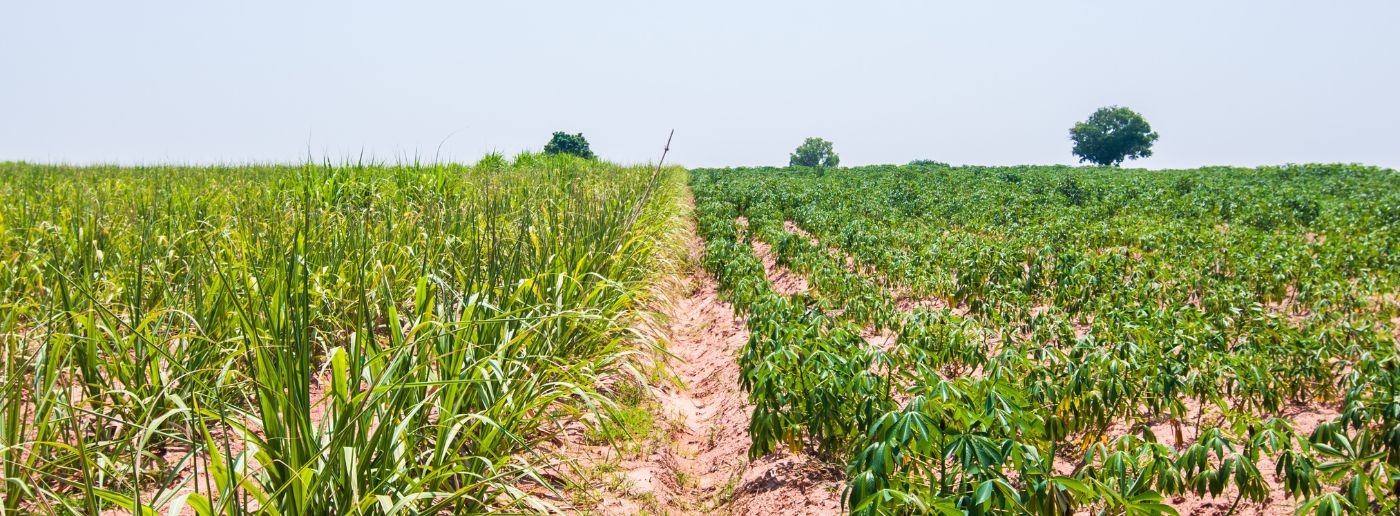
Crop rotation is a simple but very effective agricultural technique. It consists of not cultivating the same plant in the same place for several consecutive years.
Market gardeners thus plan their crops over several seasons. For example, a plot can host:
- zucchini one year,
- a legume the following year,
- then a cover crop the year after.
This cycle allows the soil to regenerate naturally and improves the quality of future crops.
The benefits of crop rotation
This agricultural practice offers numerous advantages for producers, soils, and consumers alike.
- Reduce diseases and pests
Alternating crops limits the spread of diseases specific to certain plants and reduces the presence of pests. Pests have more difficulty establishing themselves permanently when they do not find the same crop every year.
- Improve soil fertility
Each plant uses and returns different nutrients to the soil. Thanks to rotation, soils remain richer, more balanced, and alive, thus promoting higher quality harvests.
- Diversify agricultural production
Crop rotation also allows market gardeners to diversify their production. This helps offer a greater variety of vegetables while maintaining the balance of cultivated land.
- Close collaboration with our producers
At Jean Martin, we regularly exchange with our regional producers to implement these crop rotations together. The cultivated varieties are chosen according to their land, the seasons, and the needs of our recipes.
This organization allows us to:
- guarantee market outlets for producers,
- secure our vegetable supplies,
- and support more sustainable agriculture.
Long-term trusting relationships
The implementation of these agricultural practices is based on trusting, transparent, and lasting relationships with our producer partners.
By working hand in hand, we build an agricultural strategy that benefits everyone: farmers, the quality of vegetables… and the recipes we prepare.


